
Why Proactive Maintenance is Key to Long-Term Property Value
Investing in property can be one of the most significant financial decisions you’ll make. However, maintaining that investment is just as crucial to ensure it retains its value over time. Proactive maintenance not only preserves the aesthetics of your property but also prevents costly repairs in the future. In this blog, we’ll explore why taking a proactive approach to property maintenance is essential for long-term value.
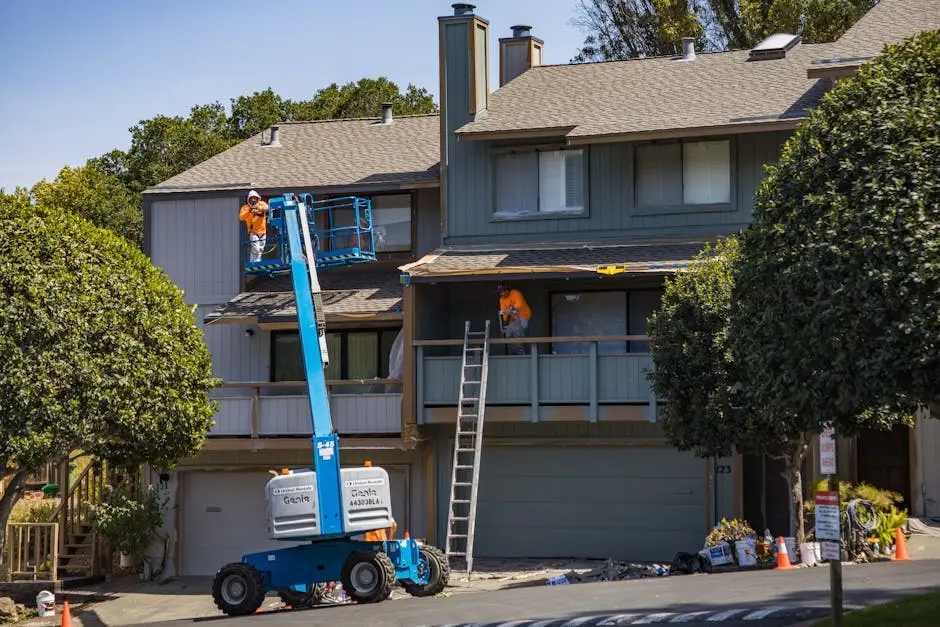
Understanding Proactive Maintenance
Proactive maintenance is the practice of addressing repairs and maintenance tasks before they become major issues. Unlike reactive maintenance, which occurs after a problem arises, proactive maintenance focuses on regular check-ups and preventative measures.
At its core, proactive maintenance is about foresight. By regularly monitoring the condition of your property, you can develop a solid understanding of what needs attention and when. For example, checking for signs of wear in roofing or plumbing can save you significant hassle and expense down the line.
This methodology shifts the typical narrative of property management. Instead of waiting for things to break, you become an active participant in the longevity of your home. By integrating routine inspections, you encourage an environment where problems are minimized, if not outright prevented.
The Financial Benefits of Proactive Maintenance
Investing in proactive maintenance can save you money in the long run. By catching small problems early, you can avoid large expenses associated with significant repairs. This section will break down the financial advantages of maintaining a proactive approach.
Consider this: a simple plumbing leak can lead to extensive water damage if left unchecked. By identifying such issues early through a proactive maintenance approach, you typically spend a fraction of the cost to fix a minor leak compared to the overall repairs needed for a damaged foundation.
Moreover, with proactive maintenance, your property often enjoys a higher resale value. Buyers are not just looking at square footage or aesthetics; they want to know that the home has been well cared for. By documenting regular maintenance, you enhance your bargaining power when it comes time to sell.
Improving Property Aesthetics and Functionality
A well-maintained property is more appealing to potential buyers and renters. This section will discuss how regular maintenance improves both the appearance and functionality of your property, enhancing its overall value.
When everything from the paint on your walls to the landscaping outside is regularly checked and updated, your property sends a clear message: it is loved. Aesthetic appeal not only increases emotional connections but also gives you practical advantages, like higher rental rates and an easier-selling process.
Furthermore, maintaining functionality is equally crucial. For instance, if your HVAC system is routinely serviced, it performs better and consumes less energy, ultimately reducing environmental impact and your utility bills. Ensuring that every element of the property functions optimally elevates not just your comfort but the marketability of your home.
Creating a Proactive Maintenance Plan
Developing a proactive maintenance plan is essential for property owners. This section will outline the key steps to create an effective maintenance schedule that suits your property and keeps it in top condition.
To start, you’ll want to assess each area of your property holistically. Break down routine maintenance tasks into monthly, quarterly, and annual checklists. This will not only allow you to keep track of what needs to be done but will also help you allocate budget for these upcoming expenses.
Engaging professionals for certain tasks, such as electrical and plumbing work, will ensure that everything is done correctly and safely. An important element of your plan should be setting reminders. Whether it’s through a mobile app or sticky notes on your fridge, keeping proactive maintenance top of mind is critical.
Common Maintenance Tasks to Consider
From regular inspections to seasonal tasks, there are several maintenance activities homeowners should not overlook. This section will provide a list of common tasks that contribute to a proactive maintenance strategy.
Regular roof inspections, gutter cleaning, and HVAC servicing are foundational tasks that should be part of your checklist. For example, cleaning gutters in the fall and spring prevents water damage caused by blockages during heavy rains and can extend the life of your roof significantly.
Additionally, seasonal checks on your plumbing can prevent frozen pipes in the winter. Other common tasks are checking smoke detectors and testing carbon monoxide alarms. They may seem small, but these actions are vital in ensuring the ongoing safety and functionality of your property.
The Role of Technology in Proactive Maintenance
Technology plays a vital role in facilitating proactive maintenance. Smart home devices and maintenance management software can help property owners track maintenance schedules and identify issues early.
For instance, smart thermostats can alert you to abnormal heating or cooling patterns, indicating potential HVAC issues. Apps designed for home management offer reminder systems for inspections and maintenance tasks, ensuring you never miss an important upkeep schedule.
With the rise of home automation, it’s easier than ever to integrate technology into your maintenance strategies. By harnessing these tools, you’re not just responding to problems; you’re actively preventing them, which is the essence of proactive maintenance.
Final Thoughts on Proactive Maintenance
In conclusion, proactive maintenance is more than just a good habit; it’s a smart strategy for protecting your investment. By staying ahead of potential issues and maintaining your property regularly, you ensure it remains both functional and valuable over the years. So, start planning your maintenance schedule today and watch your property thrive!